Why are Japanese people so drawn to hot springs/onsen?
It’s a question many have probably felt at some point. While wellness practices from out side of Japan, such as yoga and mindfulness, draw growing attention, Japan has long had a tradition of its own for restoring mind and body: toji, the practice of staying at a hot spring to heal. In this series, Daiki Toshima, a nature therapist and certified onsen sommelier, shares the insights he has gathered in the field, in his own words.
In recent years, interest in “wellness” has grown as a way of taking time to restore mind and body. From yoga and mindfulness to forest bathing and breathwork, there are wellness programs of every kind around the world.
I love yoga, and it has taught me a great deal. Most of my connections on Instagram began at yoga events, with friends made on the mat.
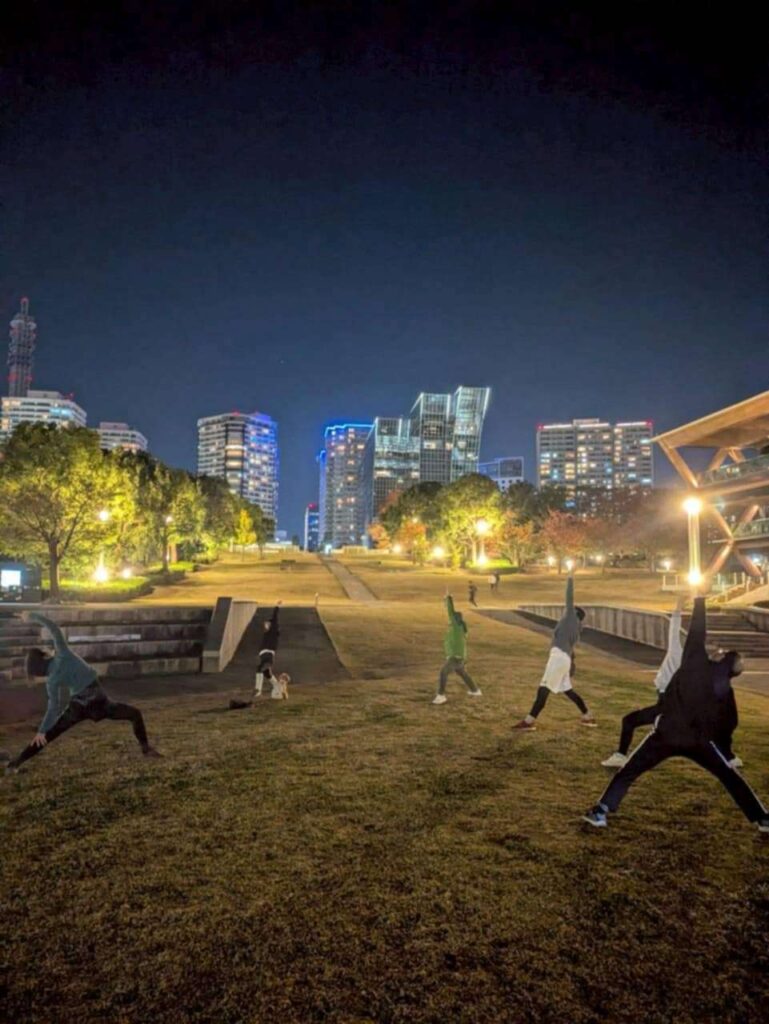
These practices came mainly from out side of Japan. Yet Japan, too, has a culture that has nurtured people’s minds and bodies since ancient times.
*Wellness refers to the active pursuit of health.
Its best-known example is the hot spring, or onsen.
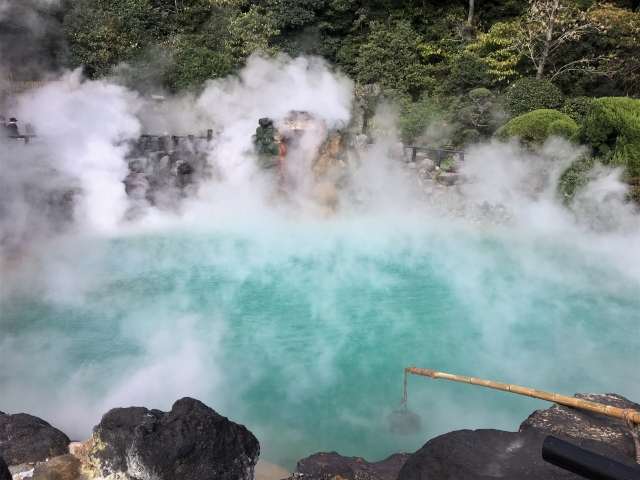
We Japanese are truly a nation of hot spring lovers. The country is said to have about 3,000 hot spring areas, with roughly 27,000 to 28,000 individual sources. Japan is one of the world’s great onsen nations.
For devoted fans, everyday life includes visits to a “super sento,” a large bathhouse that makes hot springs its main attraction. On trips, the first stop is the bath. For quite a few people, the onsen is the very reason for traveling.
Working in an onsen town, organizing retreats, and eventually earning an onsen sommelier certification are all the natural result of that devotion. And after years of involvement in retreat work, one question keeps returning.
Why are we so drawn to hot springs?
Of course, hot springs have many recognized benefits.
Circulation improves and the skin feels better.
Stress eases and the mind settles.
Browsing the spring analysis charts posted at onsen facilities, one may even find cuts, burns, and hemorrhoids listed among the indications.
Hot springs undoubtedly have real power. But there seems to be an appeal that this alone cannot explain.
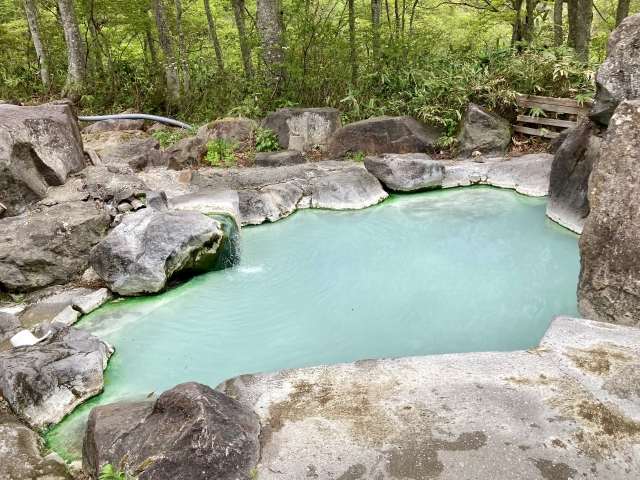
Japan has long had a culture called ”toji”.
It was nothing like today’s one-night getaway. People stayed at the same hot spring for days, sometimes weeks, soaking again and again, eating what the land provided, and spending unhurried time in nature as they restored body and mind.
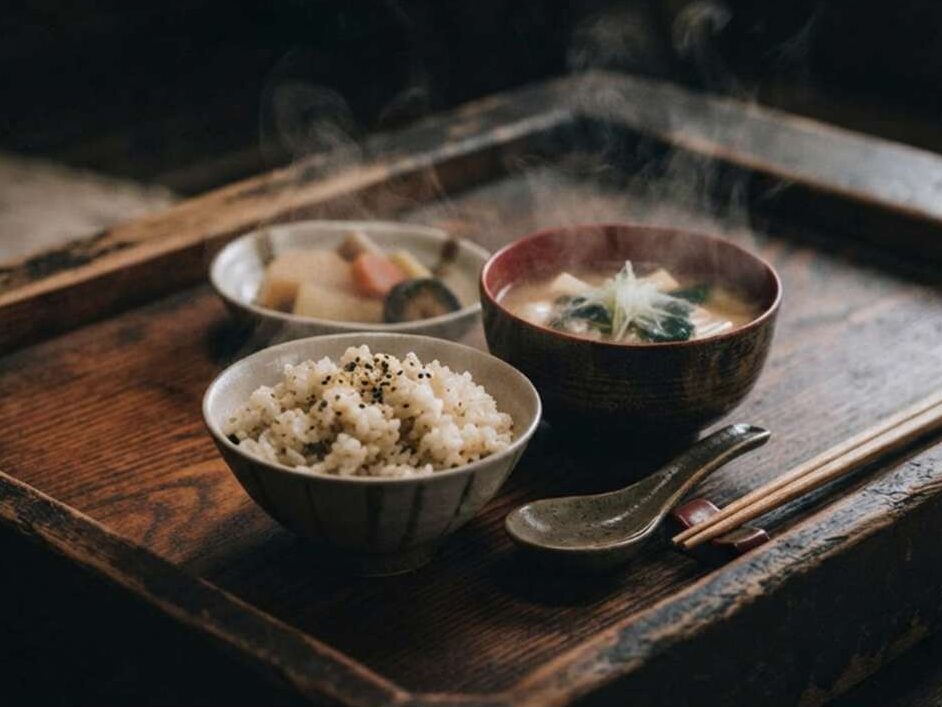
In a flow of time that had little to do with efficiency, people recovered little by little.
In modern terms, it may have been something close to a long-stay retreat.
One especially interesting piece of evidence in the history of Japanese onsen culture is the Fudoki, the ancient regional records. Compilation began in 713 under the order of Empress Genmei in the Nara period. The surviving Izumo no Kuni Fudoki describes the spring known as Tamatsukuri no Yu, today’s Tamatsukuri Onsen, in these words: bathe once and your appearance is restored; bathe twice and every illness is lifted away.
This shows that, at least 1,300 years ago, hot spring culture was already deeply rooted in daily life.
Yet this record is unlikely to mark the beginning of that culture. People surely entered hot springs long before. It is more natural to see the Fudoki as the first time a way of life that people had always taken for granted was set down in writing.
*This is not a historical claim but a personal view, drawn from years of observing the relationship between nature and people. Please take it as one perspective.
At zoos, monkeys bathe in hot springs and even capybaras soak with evident pleasure.
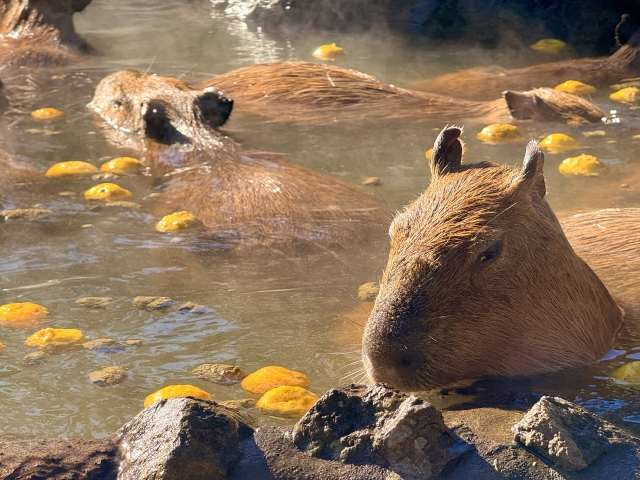
Given a warm place, an animal settles into it and warms up. When the body gets cold, it naturally seeks warmth. This is entirely natural behavior for a living creature.
The same thing is visible in a turtle basking on a sunny day, or a cat that heads straight for a patch of sunlight on a winter morning to warm itself. Living things instinctively choose the environments that feel good to their bodies.
Seen this way, it seems more natural to think that hot springs have been a special place for warming the body and sustaining life since the days when humans were simply creatures living within nature.
Long before writing existed. Long before the Fudoki.
People must have soaked in the water, rested their bodies, and lived on the gifts of nature.
That, in time, became the culture of toji, carried down by generations of ancestors over a long span of years and nurtured as Japan’s own culture of recovery. Onsen culture, then, is far more than bathing. It is wisdom for living well, cultivated and handed down by people who lived together with nature.
And today, that culture seems to be putting an important question to us once again.
Is a hot spring merely a place to be soothed as leisure? Or is it, in a larger sense, a place where people recover? And what, exactly, does “recovery” mean for people living today?
The next installment will explore these questions further from the perspective of modern wellness and retreats.
Representative of Holistic Support; Chairman of the Japan Nature Retreat Association; Principal of Kanoyama Nature School; lecturer at hotel and tourism vocational schools.
Qualifications: Health Exercise Instructor, Nature Game Leader, Hot Spring Sommelier.
Publications and media: Persistent Fatigue, Melted Away! The Art of Restorative Retreats (Subarusha), and has appeared on numerous TV programs and other medias.
– Certified Health Coach — IIN (Institute of Integrative Nutrition), USA
– Nutrition & Food Education Consultant (JAFA Certified)
– Psychological Counseling Specialist (JAFA Certified)
– Founder of Japan Retreat Hub