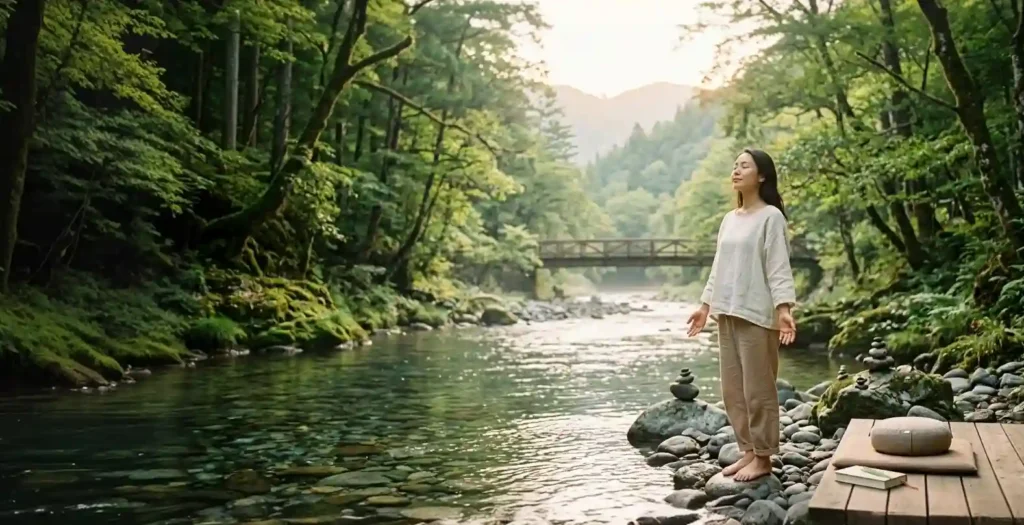
In recent years, interest in “retreats” as a way to restore balance to mind and body has been steadily growing. Long before the word “retreat” became a household term, one man had already been developing nature therapy programs and building retreat businesses in Japan: nature therapist Taiki Toyoshima.
Now that retreats have become one of the defining trends, this column shares insights drawn from his many years of hands-on experience—told in Toyoshima’s own words.
When you hear the word “retreat,” what images come to mind?
Meditation,
Macrobiotic meals,
Hot springs,
Forest bathing,
A luxury hotel.
In recent years, the word “retreat” has become part of everyday language, and people now think of it as time set aside to restore balance to mind and body. You are likely reading this page because something brought the word “retreat” into your life.
For more than twenty years, I’ve worked with people on retreat, and everyone who comes has their own reason for being there.
“I wanted some distance from my stressful daily life.”
“I just felt like being in nature.”
Each person comes with a different reason.
Watching countless retreats unfold, I’ve noticed that programs like yoga, hot springs, and forest bathing tend to bring about a similar shift—both physical and psychological—in almost everyone who takes part. At the very start, every single person arrives in nature still carrying their everyday life with them.
You might call it “the rhythm of the city” or “the rhythm of daily life.“
Some can’t stop thinking about work.
Others are worried about their families.
Even after putting their phone away, their mind keeps running on the same track as before.
That’s the state most people are in, when they first step into the forest.
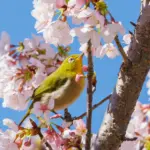
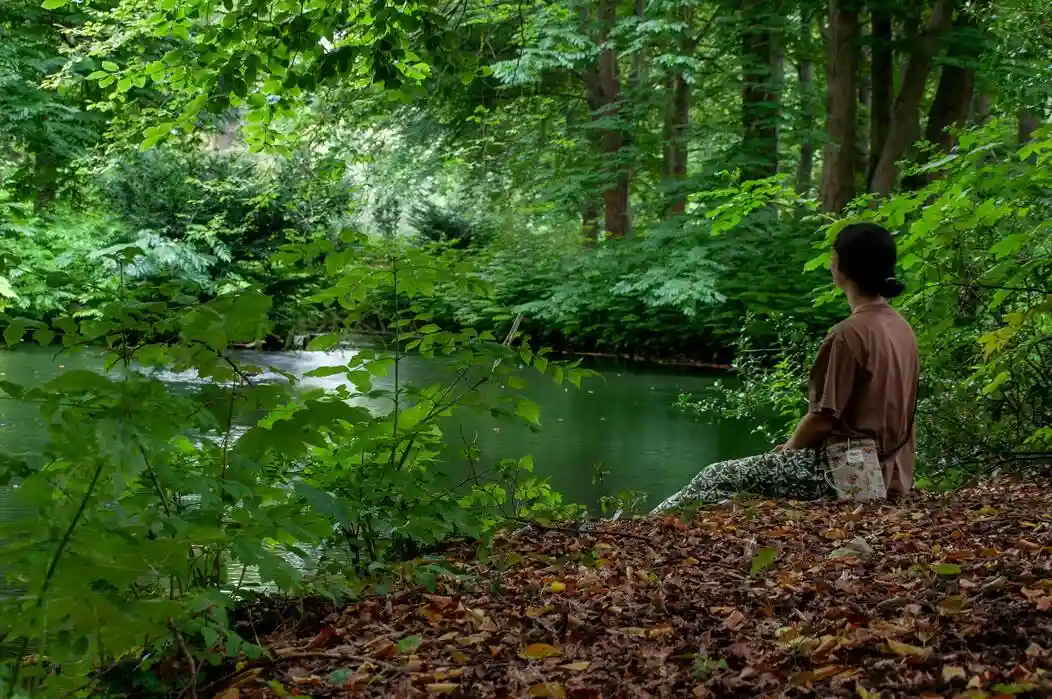
In the forest, the birds have already been singing, the wind has already been blowing, the river has already been murmuring over the stones, and the surface of the lake or pond has already been rippling gently—long before anyone arrived.
Of course, everyone hear the birdsong too.
The wind touches their skin as well.
They feel the heat, or the chill.
But their awareness hasn’t yet reached the point of actually feeling their own breath.
For most people, nature is still nothing more than a “backdrop”: a setting where they’ll do yoga, or journal, or wonder, “So what exactly are we supposed to do here?”
At this stage, no one imagines that this “backdrop” is, in fact, the true heart of the retreat.
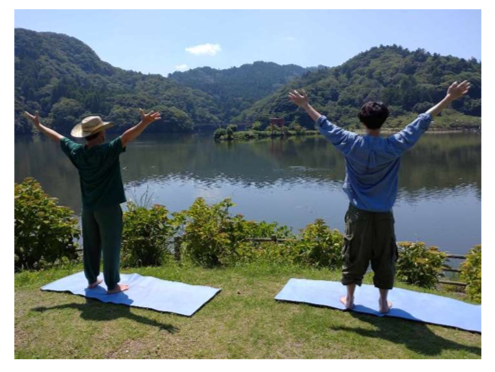
This is exactly where my retreats begin—retreats that I personally lead. Within the program, I build in time simply to watch a lake until its rhythm and my rhythm begin to align, or simply to feel the wind on a mountainside until my rhythm and the wind’s begin to align.
There’s nothing elaborate about it—just sitting quietly in front of a lake, or standing on a mountaintop simply sensing which way the wind is blowing.
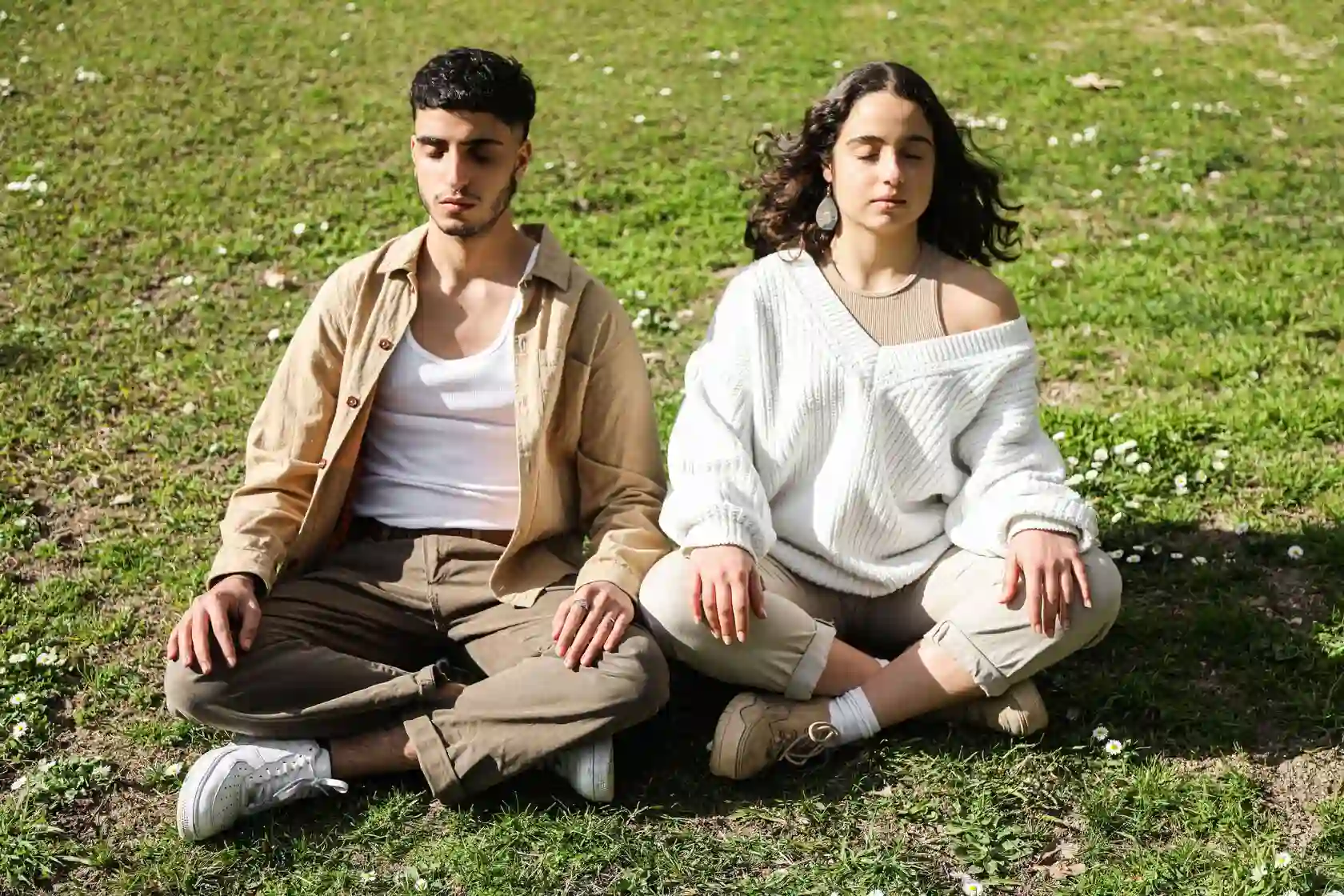
At first, this leaves many people puzzled—especially those accustomed to the fast pace of city life.
“What exactly am I supposed to be feeling?”
“What’s the point of this exercise?”
I get these kinds of questions often, because most people assume that a “retreat” means doing something.
Think back to the earlier question: what comes to mind when you hear the word “retreat”? Chances are, what came to mind were all things to DO (actions).
Meditating.
Journaling.
Earthing—walking barefoot on the ground.
All of these are right answers—there is no single “correct” way to retreat. But these activities are really just the “program” of a retreat. They enhance its effects, certainly, but they are not its essence.
What truly matters is dissolving into nature and surrendering yourself to its rhythm.
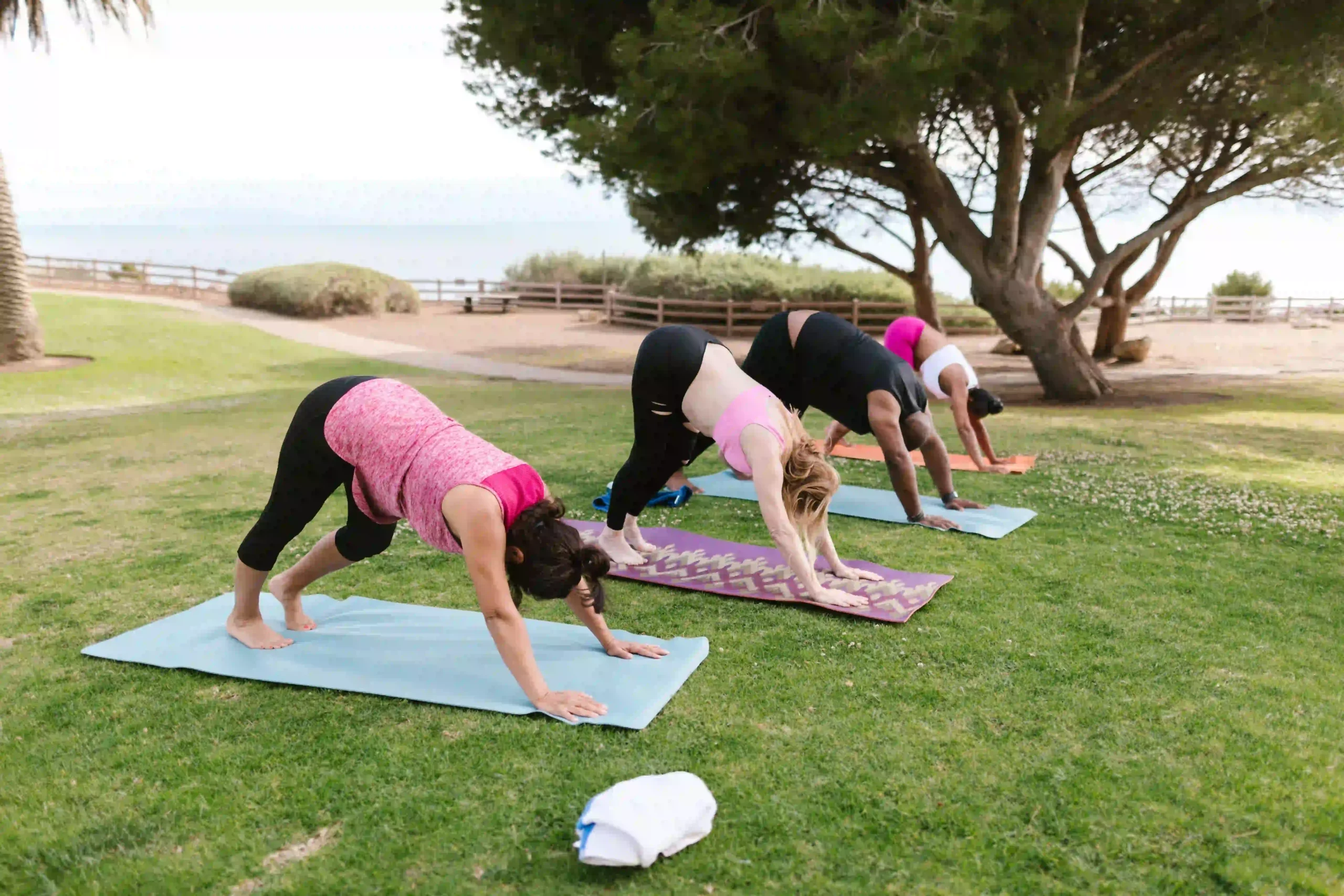
I describe this shift as “returning from person to human.”
It’s the process by which a person defined by social status and role returns to being simply human—one small part of nature.
In society, we absorb noise from every direction until we feel weighed down, and eventually we long to strip things away; without shedding that weight, we can’t move forward. Coming home from the “person” we’ve become in society to the true, natural “human” we once were—that, I believe, is the real essence of a retreat.
Once you’ve kept practicing retreats for a while, that same question will start to bring to mind states of BE (being)—calm, peace—rather than things to DO. When that happens, you’ll know you have truly become a master of the retreat.
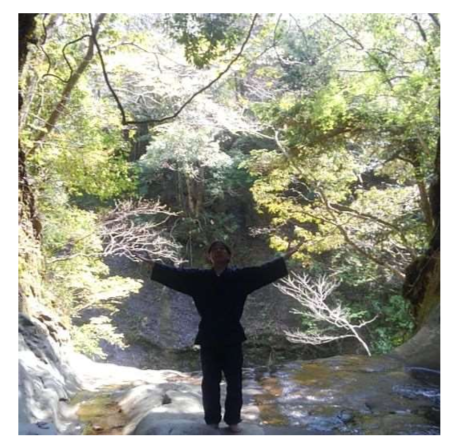
To get there, what matters most is what I call “time to do nothing.”
“You don’t have to do anything at all. Just look at the lake until your rhythm and its rhythm start to align.”
That’s what I tell people. And what they end up seeing, in that moment, isn’t really nature at all.
It’s themselves.
They notice how shallow their breathing has become.
How much tension they’ve been holding in their shoulders.
How their mind has been racing nonstop with thoughts.
Before they know it, even as they gaze at the landscape in front of them, they start becoming aware of what’s happening inside.
In Buddhism there’s a term, henshō (返照), which means turning awareness that has been directed outward back toward oneself. I’m not a monk, so I can’t speak with authority about its deeper meaning—but watching what unfolds during a retreat, that word always comes to mind.
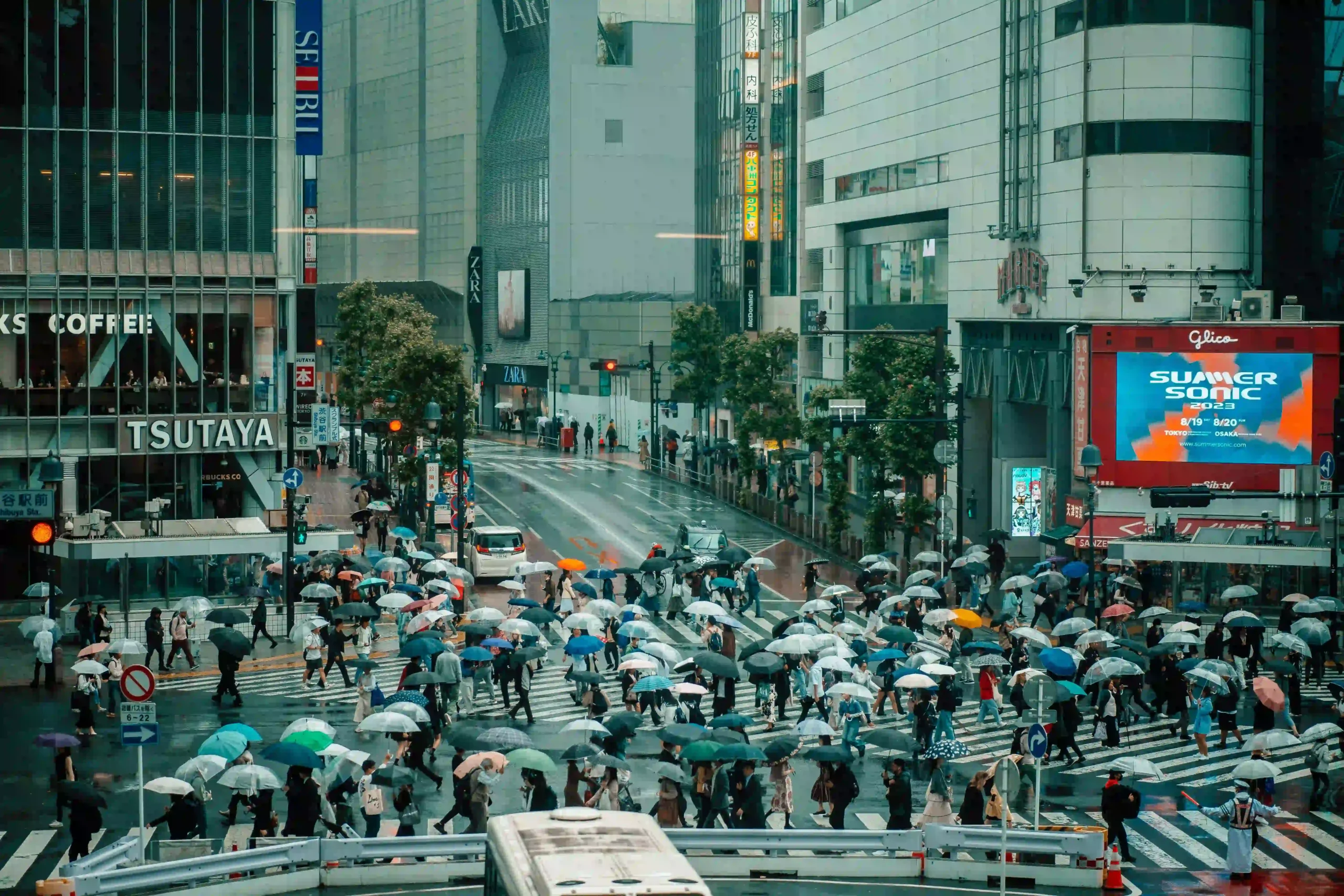
We modern people live in the middle of an overwhelming flood of information.
The moment you open your phone, information keeps pouring in, and there’s a constant sense of always being ‘in the middle of’ some message, task, or notification. Life has become more convenient, but in exchange, our awareness stays fixed outward almost all the time.
Perhaps that’s precisely why, when we finally stop and stand still in nature, we can start to see our own inner state clearly.
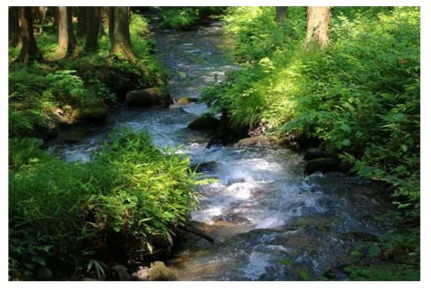
And then something curious happens: as your breathing settles, the birdsong and the murmur of the river—sounds that had merely been “background noise” until now—suddenly take on shape and definition, one by one.
You realize with surprise just how many birds have been singing around you all along, or that a river has been flowing nearby the whole time. You start to sense which direction the wind is coming from, and some people even notice subtle shifts in the air itself, remarking, “The wind’s gotten cooler, hasn’t it?” You begin to notice the scent of the forest, the way the atmosphere itself seems to shift seems to change.
None of this means that nature has changed. Nature was there all along—the birds were already singing, the wind was already blowing. What changed is your own capacity to receive it.
I call this “coming into rhythm with nature.”
It isn’t a change brought about by learning something new; rather, it’s a sense you always had, simply returning to you.
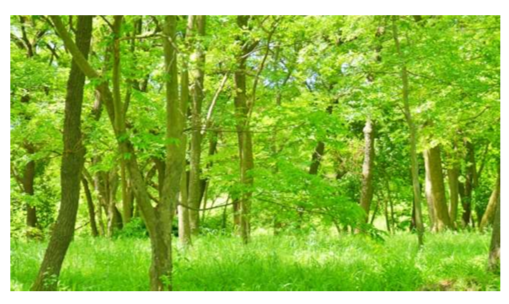
Forest bathing may work the same way. These days, when people talk about forest bathing, the conversation usually turns to stress reduction and scientifically proven health benefits—and yes, those matter too.
But what I witness in the field goes further than that: it’s the opening up of your own senses, the vitality of reclaiming a strength that was always yours, and the true radiance of life itself, revealed the moment you begin to recover and heal.
The shifting of temperature and humidity.
The scent of earth.
The tireless vitality of insects constantly moving across the ground.
The way birds communicate with one another.
The distant murmur of a river.
As you settle inward, your breathing gradually falls into rhythm with the world around you, and things that made no sense to you at first slowly begin to enter your body as the sounds and textures of nature.
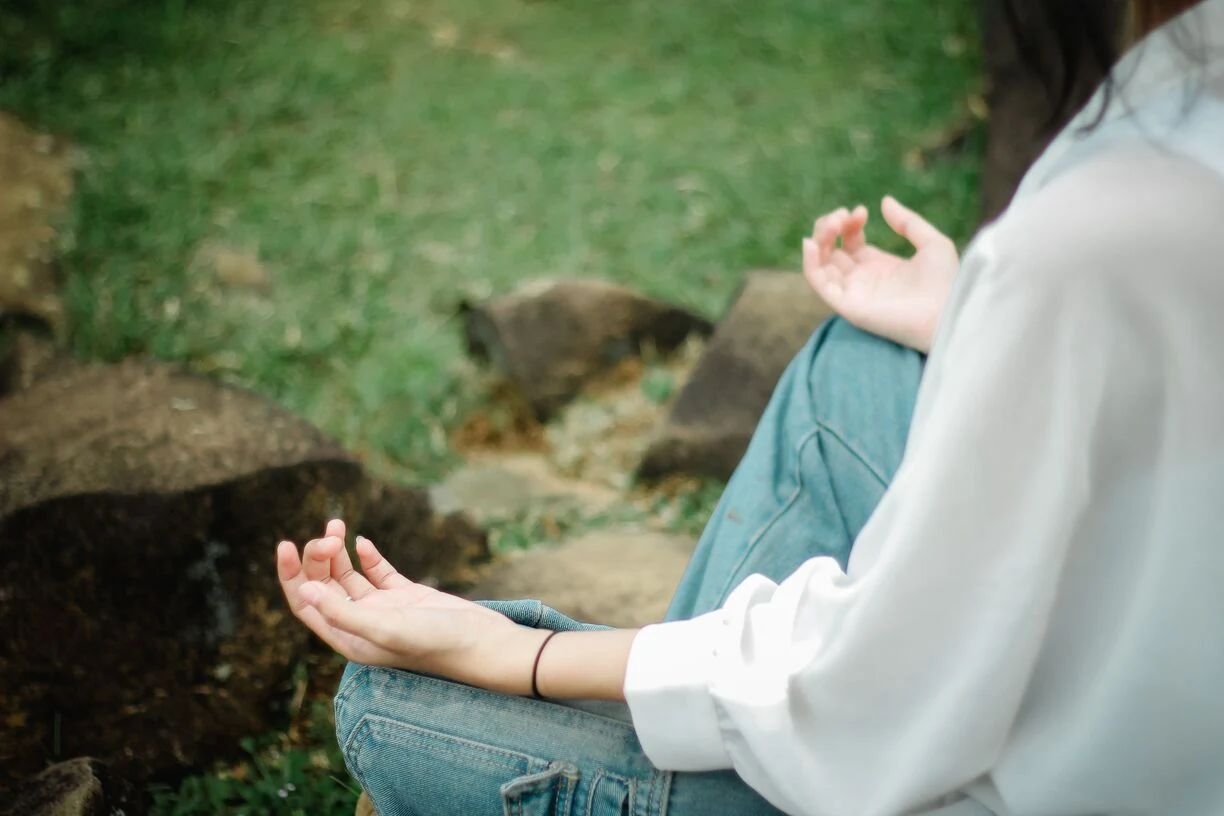
A retreat isn’t simply about traveling to a special place. Nor is it simply about taking part in a special program.
What it truly comes down to is returning to yourself, and letting your rhythm come into alignment with nature’s, as naturally as breathing.
That, in my experience on the ground, is where the real value of a retreat lies.
Representative of Holistic Support; Chairman of the Japan Nature Retreat Association; Principal of Kanoyama Nature School; lecturer at hotel and tourism vocational schools.
Qualifications: Health Exercise Instructor, Nature Game Leader, Hot Spring Sommelier.
Publications and media: Persistent Fatigue, Melted Away! The Art of Restorative Retreats (Subarusha), and has appeared on numerous TV programs and other medias.
– Certified Health Coach — IIN (Institute of Integrative Nutrition), USA
– Nutrition & Food Education Consultant (JAFA Certified)
– Psychological Counseling Specialist (JAFA Certified)
– Founder of Japan Retreat Hub