Kabuki, zazen, singing bowls and a hot spring, all in two days? That was the idea behind “Kabuki × Japanese Dance × Yoga Retreat”, held by HIMARI in September 2026 at a temple lodging in Izu, a hot-spring region near Tokyo.
Guests learn about kabuki from a professional actor, take a traditional Japanese dance lesson, soak in a hot spring, do morning yoga, and watch a prayer dance, Sanbaso, up close in the temple’s main hall. And that’s only part of it.
It was so much fun, and I felt like I was on cloud nine, a feeling unlike anything I’ve ever experienced.
Female participant
Somewhere between learning, feeling and unwinding, some guests said they found themselves on cloud nine. But another word came up even more often: “fun.” This is a retreat that restores you, and one that is full of joy.
We take a closer look at HIMARI’s “Kabuki × Japanese Dance × Yoga Retreat“.
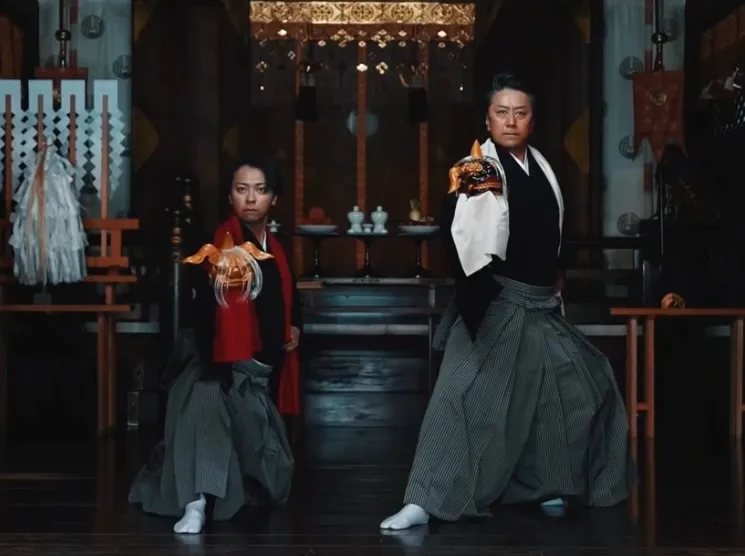
What is This Retreat?
This is a one-night, two-day retreat that lets you rest your mind and body while touching Japanese traditional culture. Organized by HIMARI, it brings together a kabuki actor, a Japanese dance master and yoga and sound-healing teachers at Zen no Yu, a temple lodging. We see three pillars in the program, given equal weight: Learn, Feel and Restore.
Be taught kabuki and Japanese dance by the performers themselves
Watch a votive dance up close, and let the sound of singing bowls carry you
Yoga, hot springs and stone-bed bathing, and a local Japanese meal
Later in this article, a holistic health coach gives an outside view of the program.
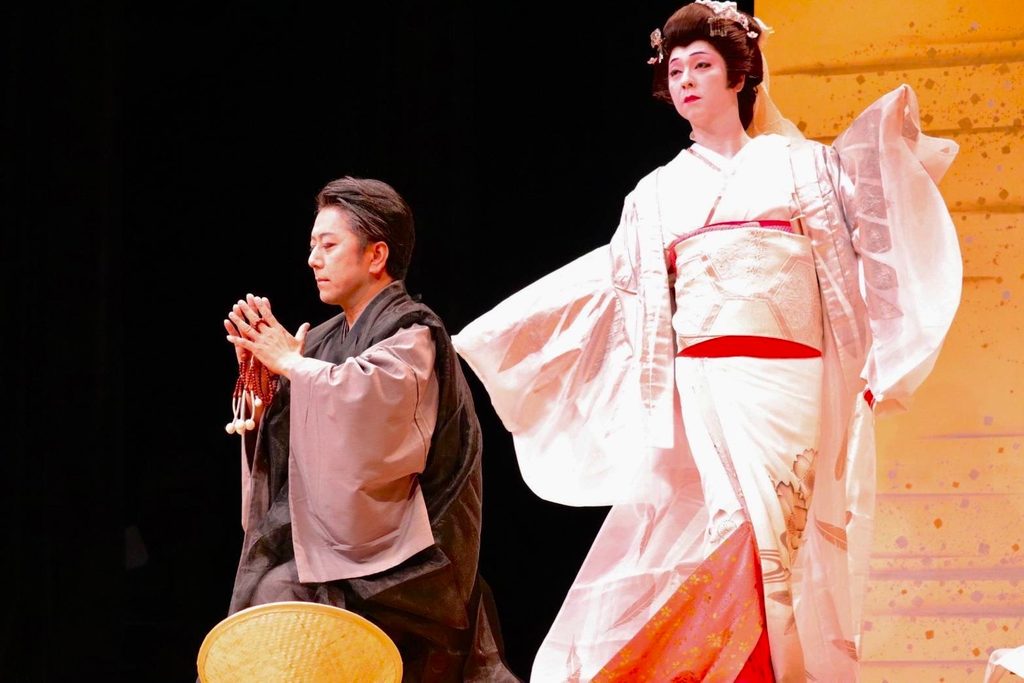
What Makes it Special: a first-timer’s guide
New to Japanese culture? Here is what each experience is, and why it is special here.
| Experience | What it is | What makes it special here |
|---|---|---|
Kabuki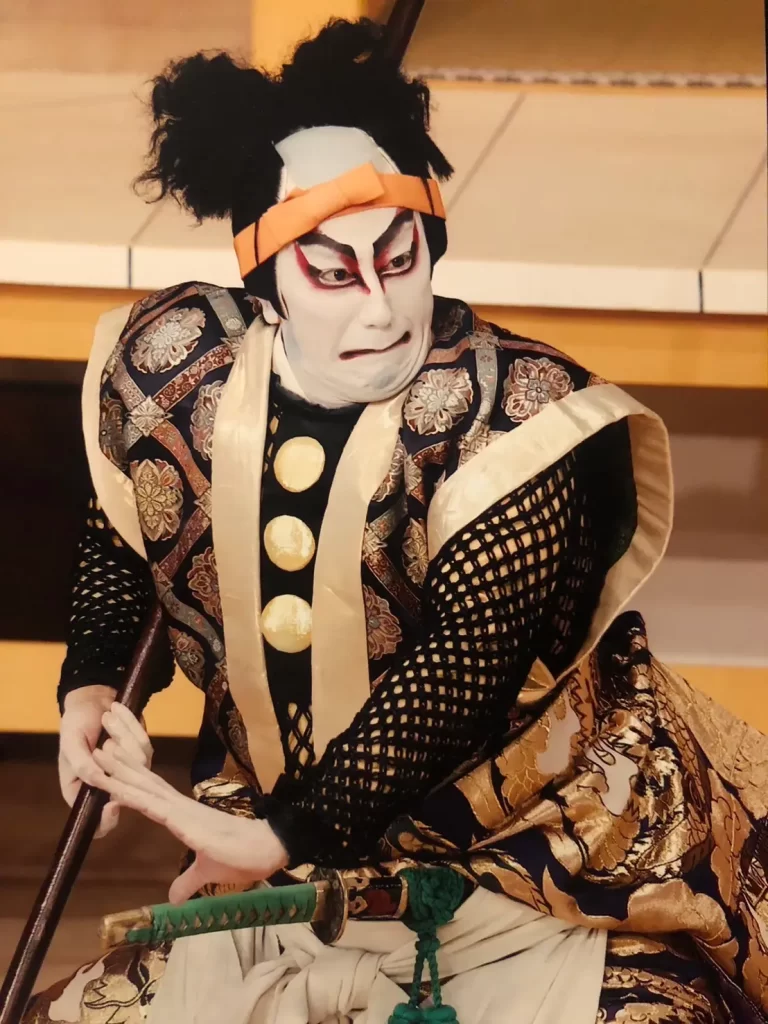 |
Japan’s classical stage art, known for dramatic movement, makeup and costume | A talk on how to enjoy it, given by a professional kabuki actor, in a temple hall |
Japanese dance (nihon buyo)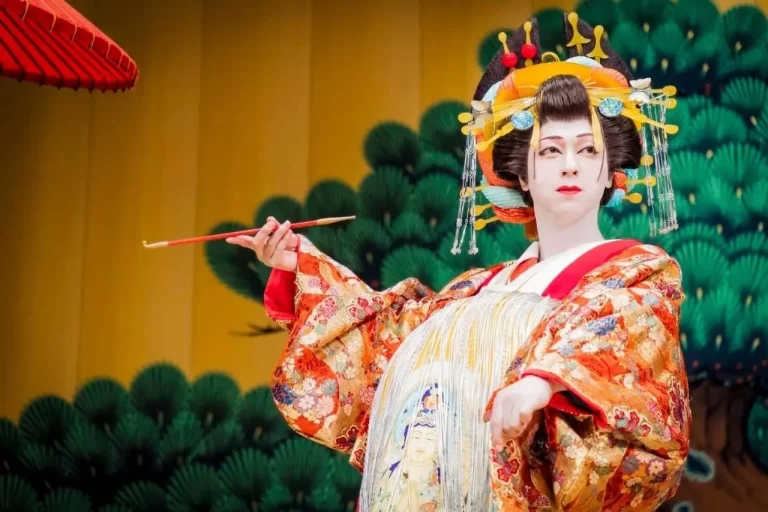 |
A traditional dance form performed with graceful movement | Taught directly by a Japanese dance master; guests dance together |
| Sanbaso votive dance | A ritual dance praying for a good harvest, peace in the land and good health | Watched in the temple’s main hall, close enough to feel the movement |
Onsen and ganbanyoku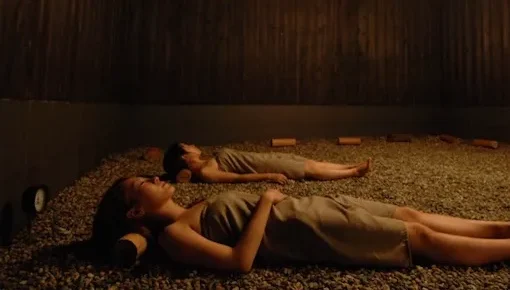 |
Natural hot springs, and a heated stone bed for sweating and relaxing | Many places have an onsen; few also offer a stone bed. It is one of the retreat’s big draws |
| Zazen | Seated Zen meditation | Taught by the temple’s head priest; added after guests asked for it |
| Shukubo | A lodging with the atmosphere of a temple | You stay where the programs take place |
Meet the Performers
Learning from people who carry a nationally treasured culture is a rare chance. Kabuki is inscribed by UNESCO as Intangible Cultural Heritage of Humanity.
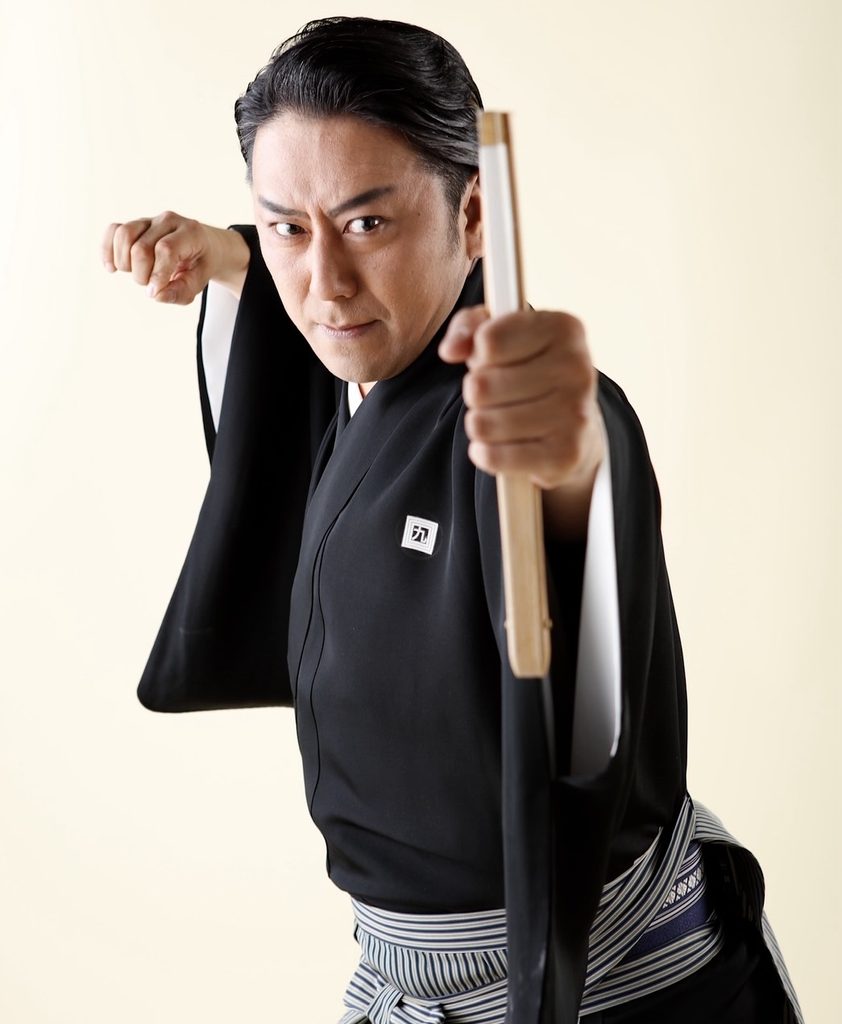
Kudanji Ichikawa市川九團次
Kabuki actor · Member, Traditional Kabuki Preservation Society
A disciple of the Ichikawa Danjuro line, one of kabuki’s most prestigious acting families. A certified member since 2023 of the society that preserves kabuki, an Important Intangible Cultural Property. He has performed abroad many times.
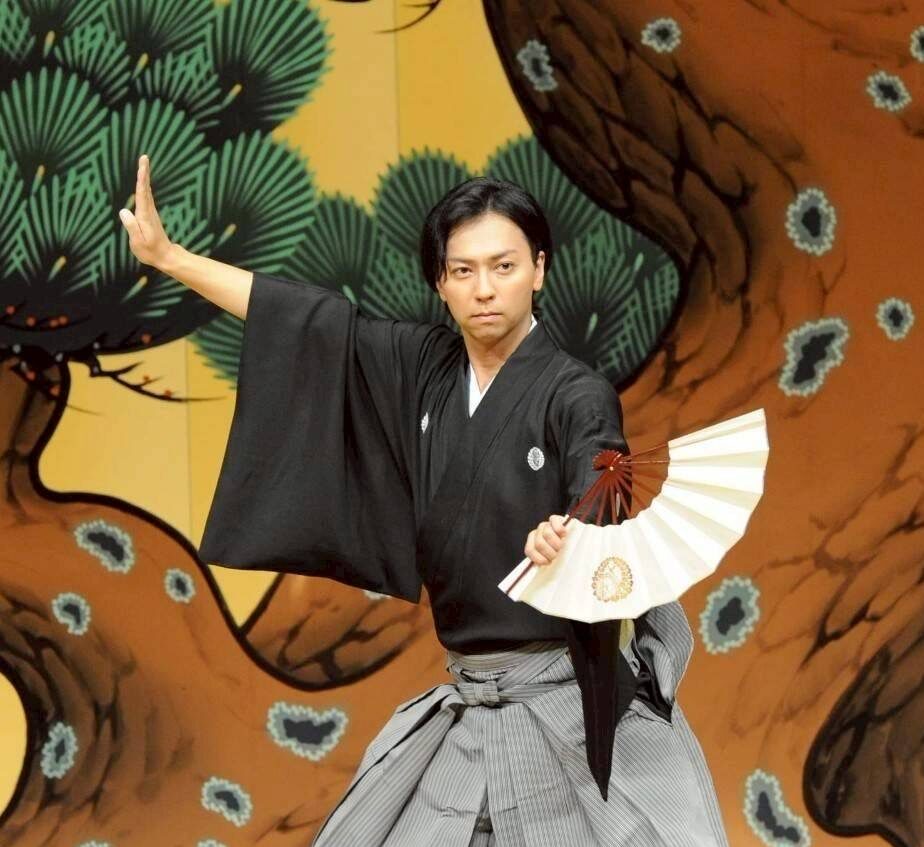
Ukon Takafuji孝藤右近
Nihon-buyo dancer and choreographer · Second-generation head, Takafuji school
Second-generation head of a century-old school of creative nihon-buyo. Ukon has danced at historic temples and on stages in Japan and abroad, and lectures at the University of Tokyo.

yuco
Beauty yoga instructor
A popular instructor known for careful guidance on breathing and posture. In her singing bowl meditation, dreamlike tones lead guests into deep relaxation.
Two Unforgettable Days: The Full Program Schedule
Day 1
How to enjoy kabuki

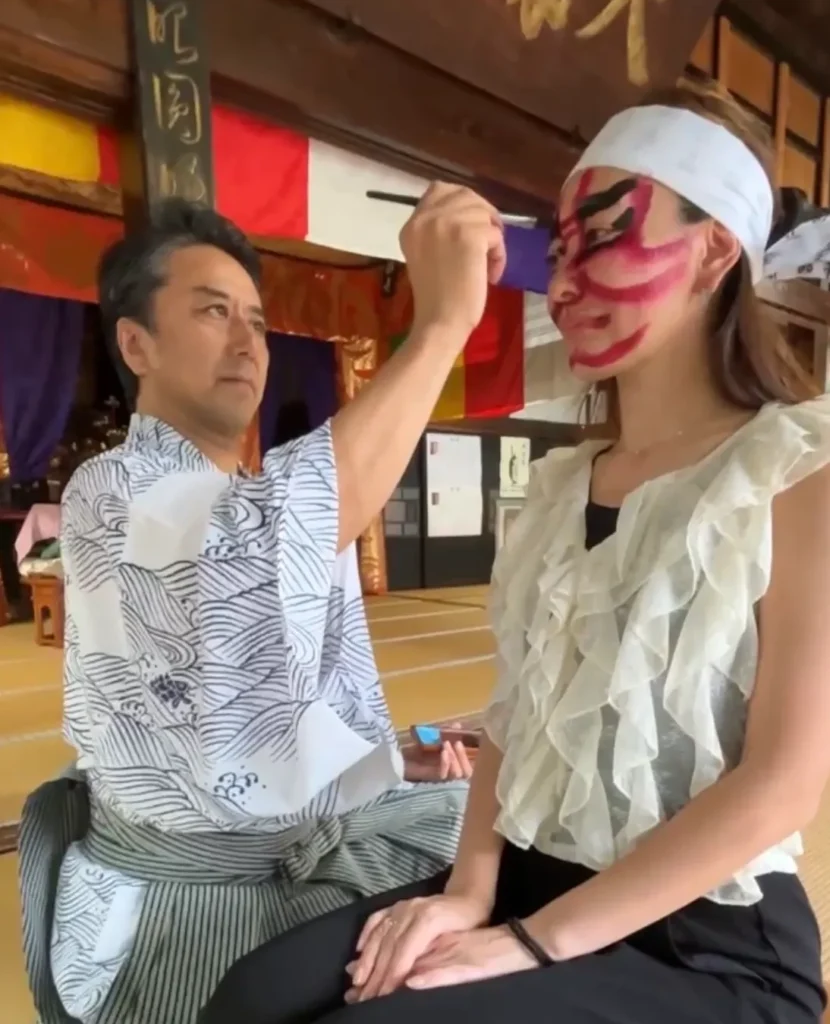
The retreat opens in the temple’s main hall with a talk by kabuki actor Kudanji Ichikawa. Even if you know little about kabuki, hearing from a professional actor makes the stage feel much closer. Guests try kumadori (kabuki face paint) and even receive a tenugui hand towel as a gift. Learning how to enjoy kabuki before you watch it makes the votive dance you see later all the more meaningful.
Japanese dance lesson
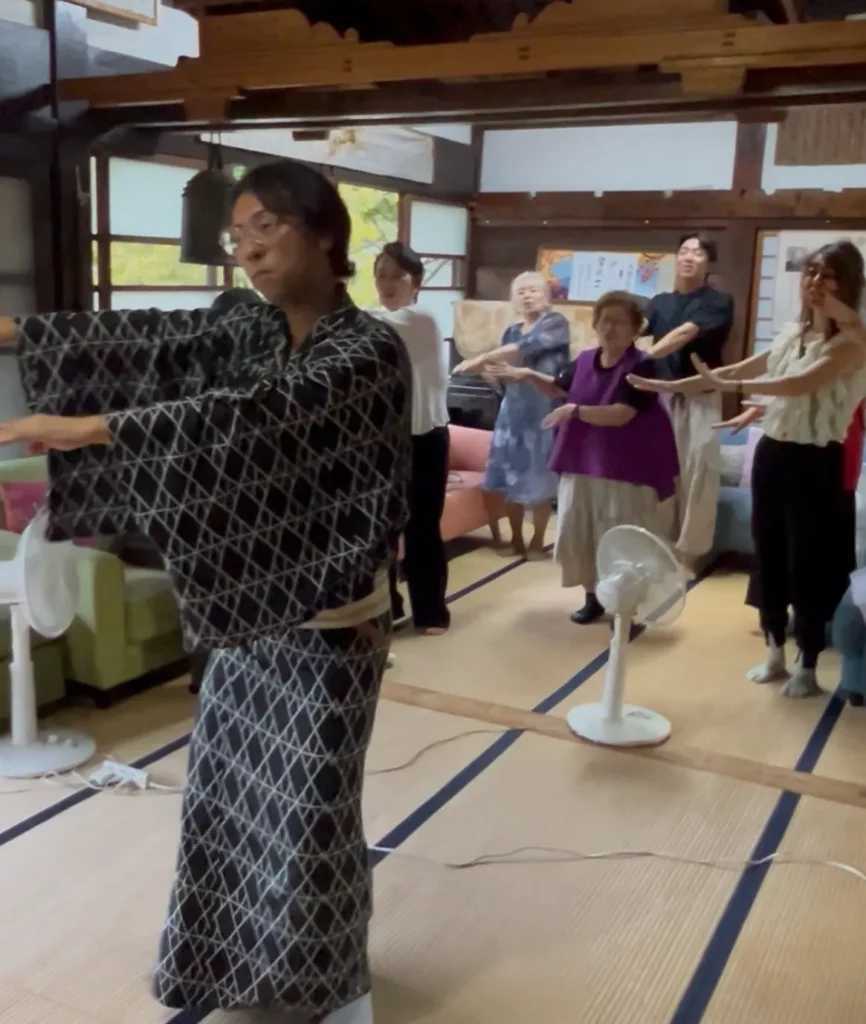
Next, guests dance together, guided by Japanese dance master Ukon Takafuji. Ukon is also a lecturer at the University of Tokyo, where the course is reportedly one of the most popular on campus. The lesson is a chance to rediscover how deep dancing and self-expression can go. One guest with dance experience said, “It was a precious chance to face my own dancing.”
Japanese dinner with golden eye snapper

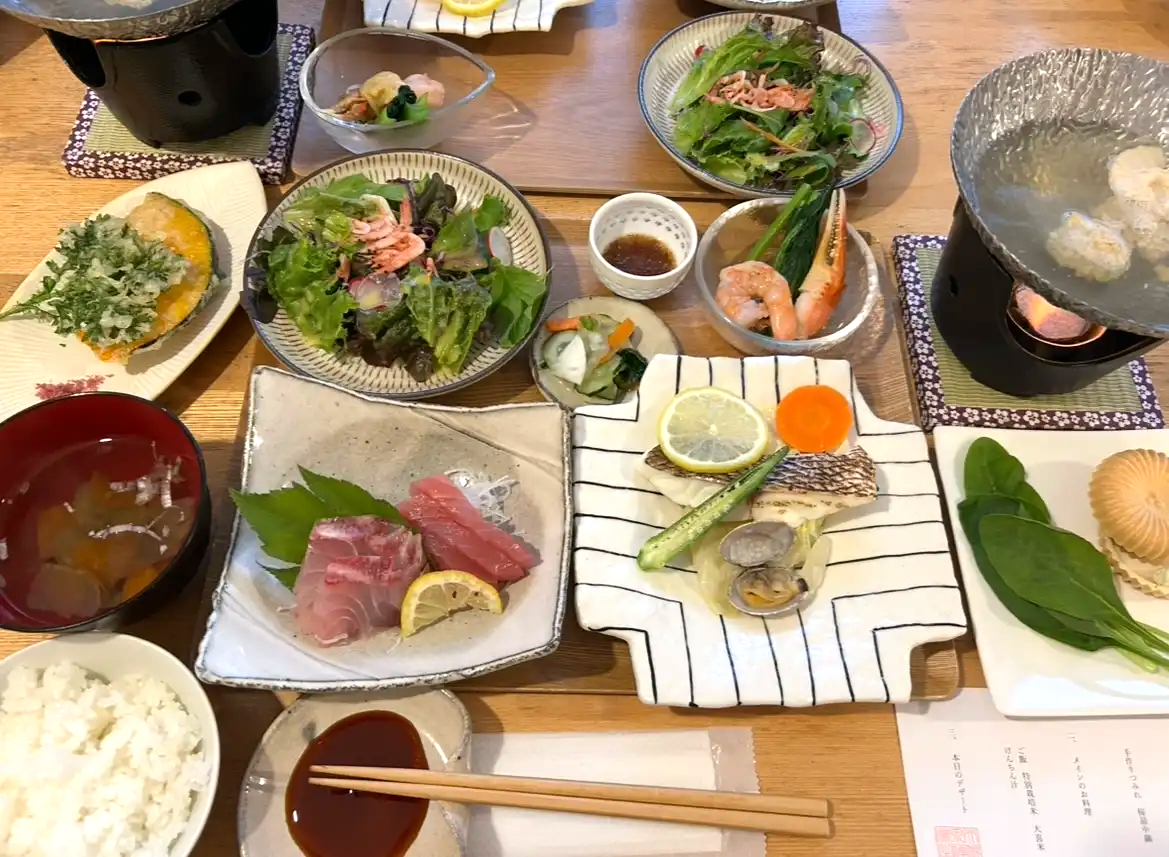
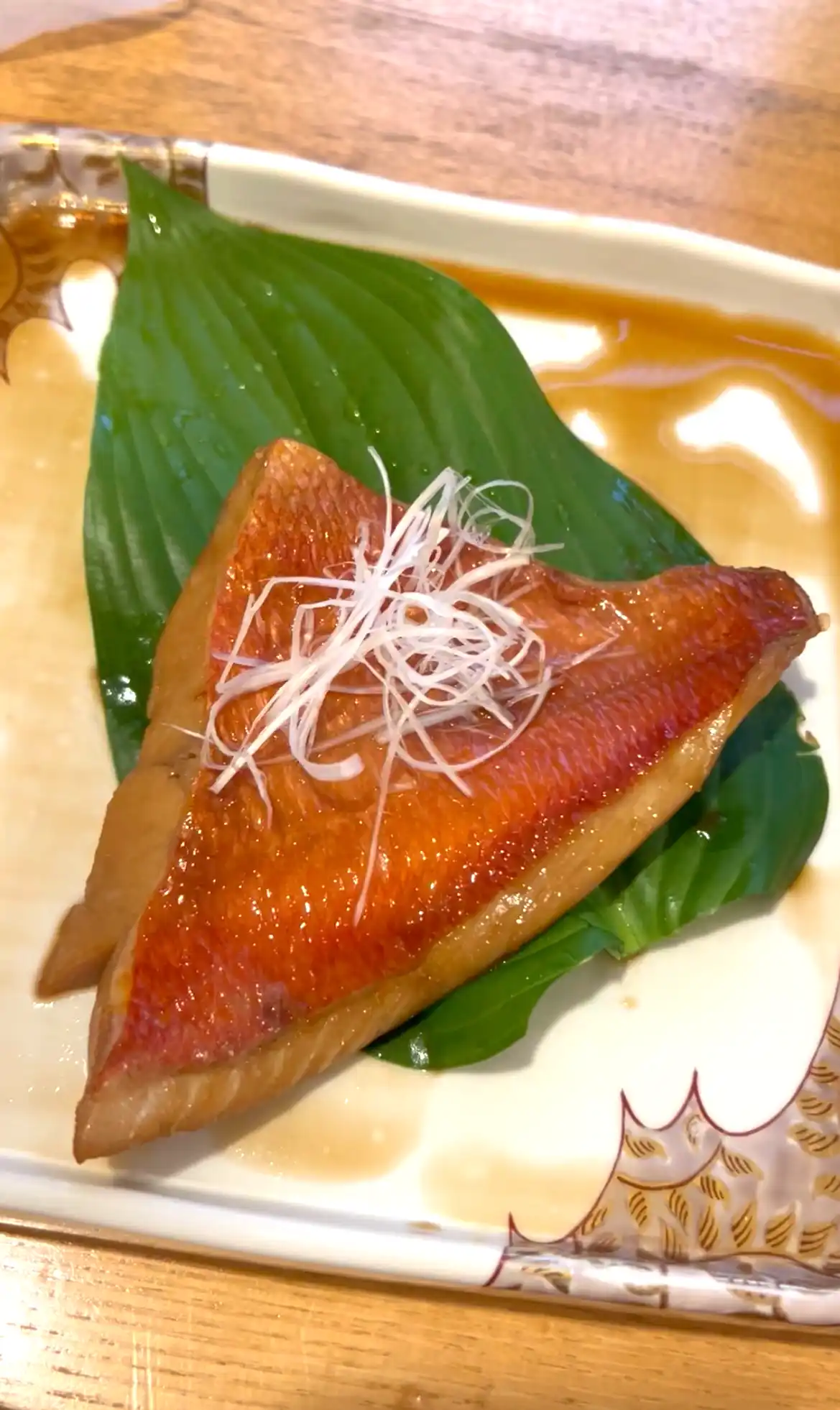
Dinner is a Japanese set meal featuring simmered golden eye snapper (kinmedai), made with local Izu ingredients and meant to be savored slowly. After a day of learning and moving, it is a meal that nourishes you to the core.
Hot spring and stone-bed bathing
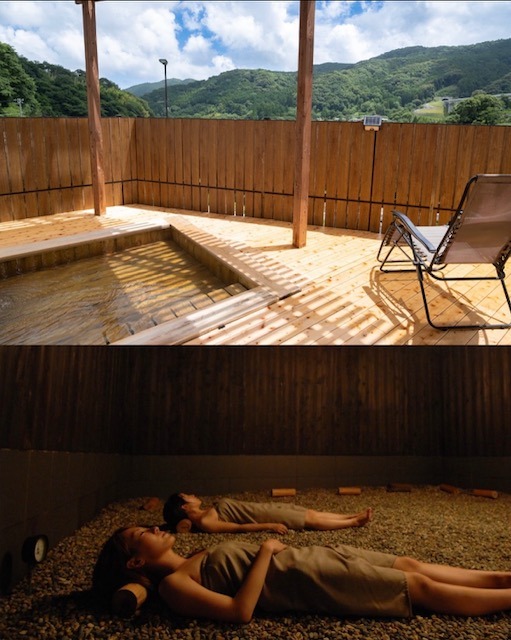
Many places have a hot spring, but few also offer a heated stone bed (ganbanyoku). Sweat, then relax even further in the hot spring. It is a luxurious time that loosens you from deep inside.
A night given to sound

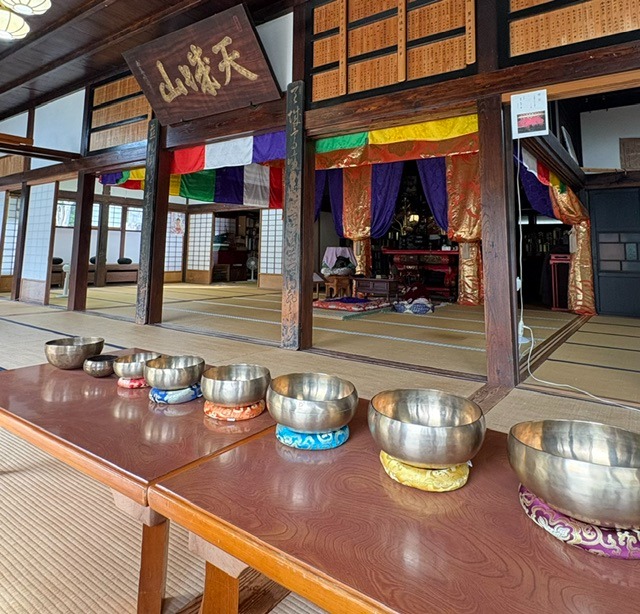
In the evening, yuco leads a singing bowl meditation, a time to surrender to the vibration of sound. Guests can also have the bowls placed on their bodies, and one said, “My head felt clear.” A participant in her 80s said, “I was moved by the sound of the singing bowls, which I was hearing for the first time. I’m going to start playing them myself.”
Day 2
Zazen
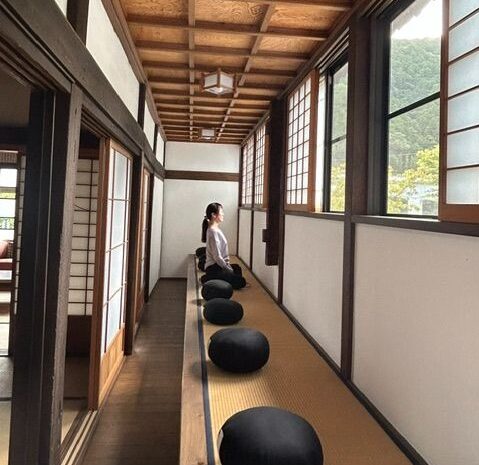
An early-morning zazen session, held in a sacred stillness and guided by the head priest of Zen no Yu. Participation was optional, and six guests joined. Guests loved it, and it will return at the next retreat.
Morning yoga and a local breakfast
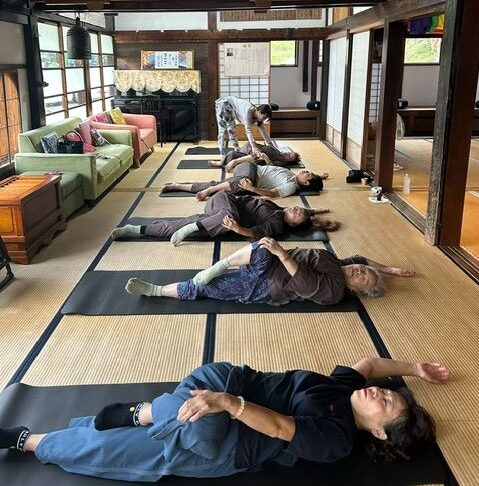
Morning yoga wakes the body and mind, followed by breakfast at 8:00 am. Made with local ingredients, the meal wakes you up from the inside, too. The gentle flow suits yoga beginners.
Sanbaso, a votive dance in the main hall
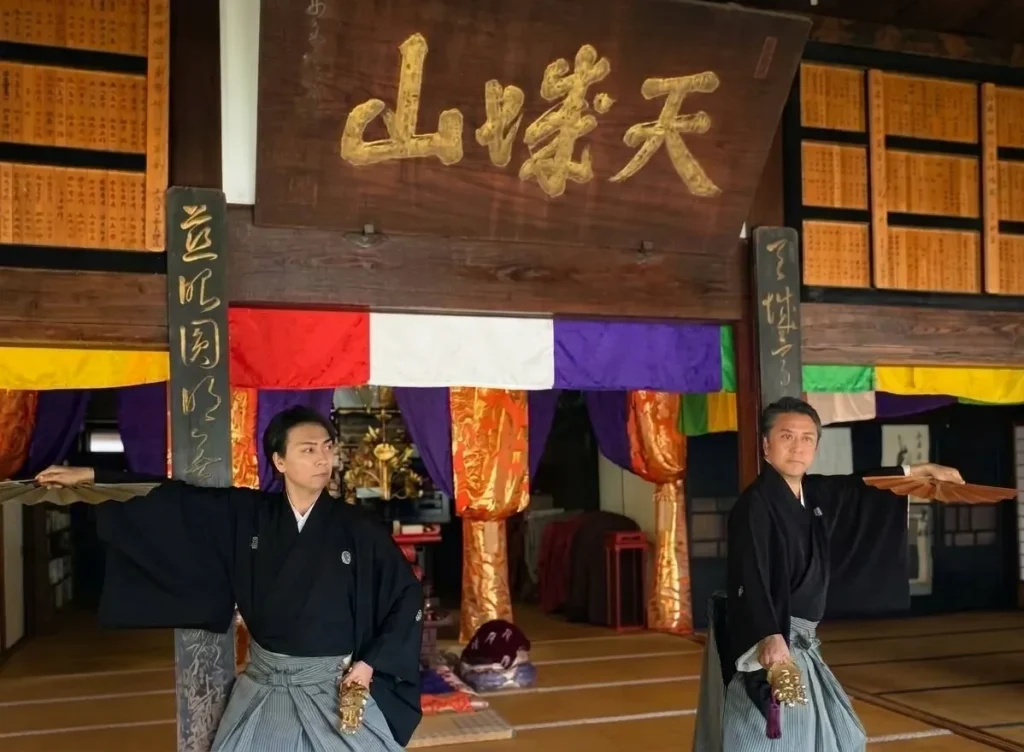
The retreat reaches its climax with Sanbaso, a votive dance offered in the main hall, praying for a good harvest, peace in the land and good health. Having learned about kabuki and Japanese dance the day before, you watch each movement reach you more deeply. Seeing this prayer dance up close is a fitting way to close the two days.
Voices from Participants
Guests ranged from their 30s to their 80s. Here is what some of them told us.
What a luxurious two days, spending time with some of the top kabuki and Japanese dance performers! I had such a great time.
Female, 70s
It made me realize all over again how deep dancing and self-expression can be. I got so much inspiration and so many new ideas, and it was a precious chance to look at my own dancing. I want to carry what I felt and discovered here into my future performances.
Female, 30s
Thank you! This was truly one of the best experiences of my life. I was especially moved by the sound of the singing bowls, which I’d never heard before. I’m going to start playing them myself.
Female, 80s
Thank you for such a fun and wonderful event! If there’s another one, I’d love to join again.
Female, 70s
A Holistic Wellness View
Why did guests leave with more than calm? Why did they speak of real joy and a deep sense of fulfillment? The answer may lie in “holistic wellness,” an approach gaining ground in the global wellness scene.
Holistic wellness goes beyond caring for the body. It looks at the balance among all 10 pillars of Wellness: Physical, Nutrition, Mind, Emotions, Learning, Environment, Work, Money, Relationships and Social life.
According to Natsuko Oku, a certified holistic health coach, this Retreat embodies that idea. Here are the six pillars it touches on.
| Wellness pillar | Where it shows up |
|---|---|
| Physical | Morning yoga, hot spring and stone-bed bathing, Japanese dance |
| Nutrition | Local Japanese dinner and breakfast |
| Mind | Zazen, singing bowl meditation |
| Emotional | Being moved by the votive dance; laughing and enjoying yourself |
| Learning | Kabuki talk, Japanese dance lesson |
| Environment | A stay in a temple in Izu, away from daily life |
A word from Natsuko, Holistic Health Coach
Many retreats focus on the body and the mind. What stood out about this “Kabuki × Japanese Dance × Yoga Retreat” is that it also brings in learning and emotion. You relax your body, enjoy discovering Japanese culture, and feel your heart stir.
Learning something new is said to give the brain healthy stimulation and help maintain focus and memory. And simply allowing yourself to feel joy, fun and awe is said to help keep the mind and body in balance and support the immune system and overall health.
Relaxing the body, learning, and being moved. It is a special retreat that brings traditional culture and wellness together in one experience.
A Word from the Organizer
HIMARI cherishes time to “come back to yourself.” Of the many retreats it hosts, “Kabuki × Japanese Dance × Yoga Retreat” was created with especially heartfelt intention. We asked HIMARI’s founder, Kayama-san, about the hopes behind it.
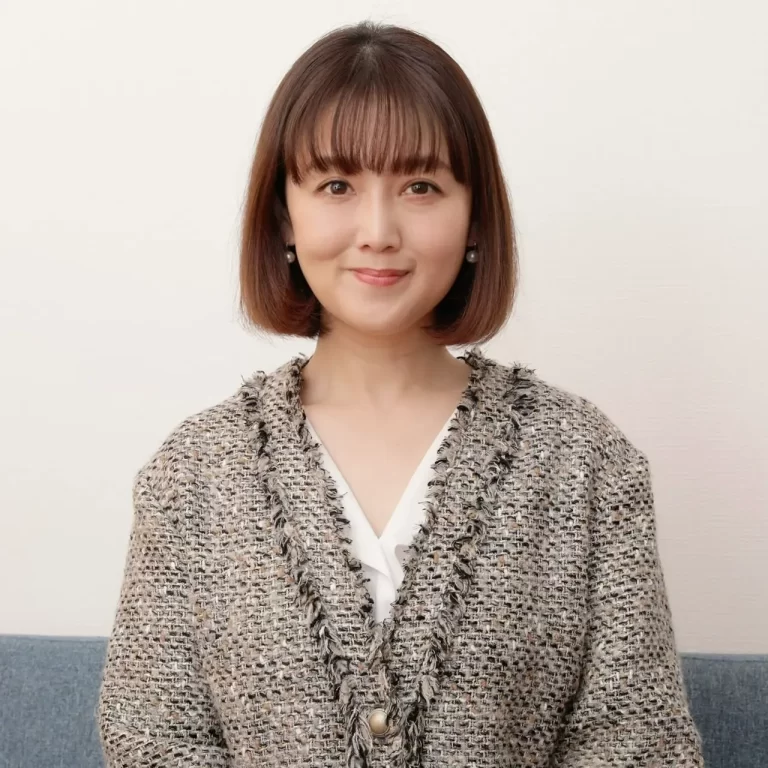
Chisato Kayama
Founder of HIMARI
“The Kabuki Retreat began when we were deeply moved by kabuki actor Kudanji Ichikawa and Japanese dance master Ukon Takafuji, who share the appeal of Japan’s traditional performing arts in so many different ways.
We wondered what would happen if we paired the energy of Kabuki and Japanese dance, the ‘dynamic’ side, with the ‘still’ side of yoga, singing bowls, zazen, hot springs and stone-bed bathing. What kind of synergy might emerge? We planned this retreat in the hope that this new approach would give guests time to care for their minds and bodies and to heal.
Through the beauty, richness and fun of Japanese culture, we hope you’ll look inward and heal. Please come and experience this special retreat, which only HIMARI can offer.”
Join Us for the Next Retreat:
The Kabuki × Japanese Dance × Yoga Retreat is planned to return next year, 2027. Dates have not been set yet. This retreat is also featured on Cocospo, the official site of Japan’s Sports Agency.
Who it’s for
- Anyone who wants to step away from daily life and rest
- Yoga beginners (no experience needed)
- Kabuki newcomers (no knowledge needed)
- Solo travelers (many guests come alone)
- Anyone curious about Japanese traditional culture
Good to know
- Getting there from Tokyo: approximately 2-3 hours by train and taxi.
- Language support: English, Japanese
- Dietary needs: Contact us to discuss any dietary restrictions or allergies.
Be the first to know
Follow HIMARI on Instagram for news on the next retreat, or visit the official page for the program details.
Learn something new, feel something deeply, and leave a little lighter, perhaps still smiling. Two days in an Izu temple may be all it takes to come back to yourself.
Basic Information
| Location | Zen no Yu, Kawazu, Izu Peninsula, Shizuoka |
|---|---|
| Dates | One night, two days |
| Price | 55,000 yen per person, tax included, with one night and two meals |
| Included | Lodging, two meals, kabuki talk, traditional Japanese dance lesson, singing bowl meditation, zazen, morning yoga, votive dance, onsen and stone-bed bathing. |
| Participants | Ranged from men in their 20s to women in their 80s. Yoga beginners are welcome, no kabuki knowledge is needed, and many guests come alone. |