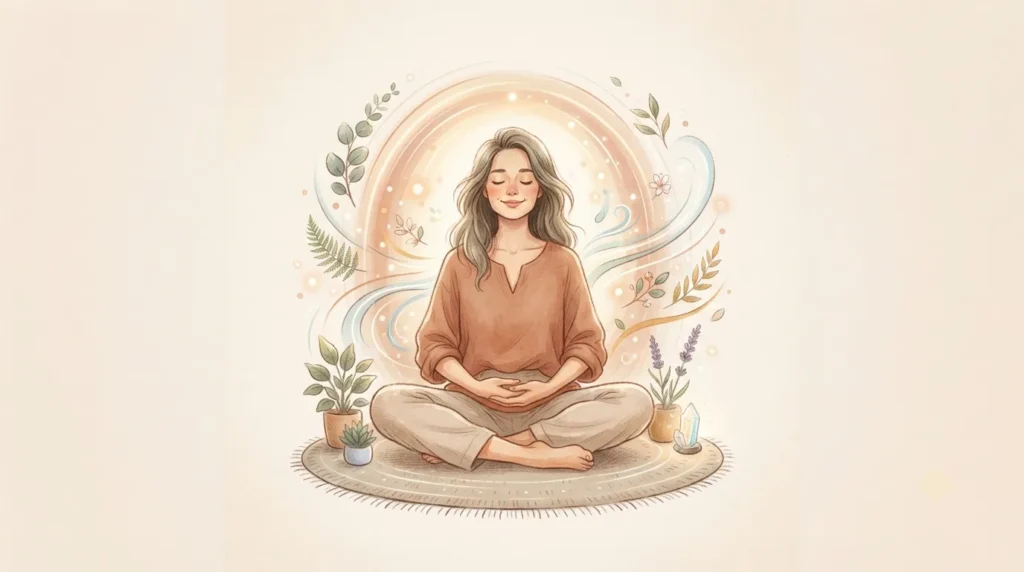
Health Is a Connected Line, Not a Single Dot
“I watch what I eat.” “I exercise.” “I get enough sleep.” And yet, something still feels off. Does that sound familiar?
In fact, diet, exercise, sleep, relationships, career, and your emotional state aren’t separate things. They are all connected. Holistic health (also known as holistic nutrition) is an approach that focuses on these connections, viewing mind, body, and lifestyle as “one whole” and working to bring them into balance.
Contents
What Does “Holistic” Mean?
The word “holistic” comes from the Greek holos, meaning “wholeness.” In addition, the English words whole, heal, and health derive from the Old English hāl (“sound, complete”), and all of them are closely tied to the idea of wholeness.
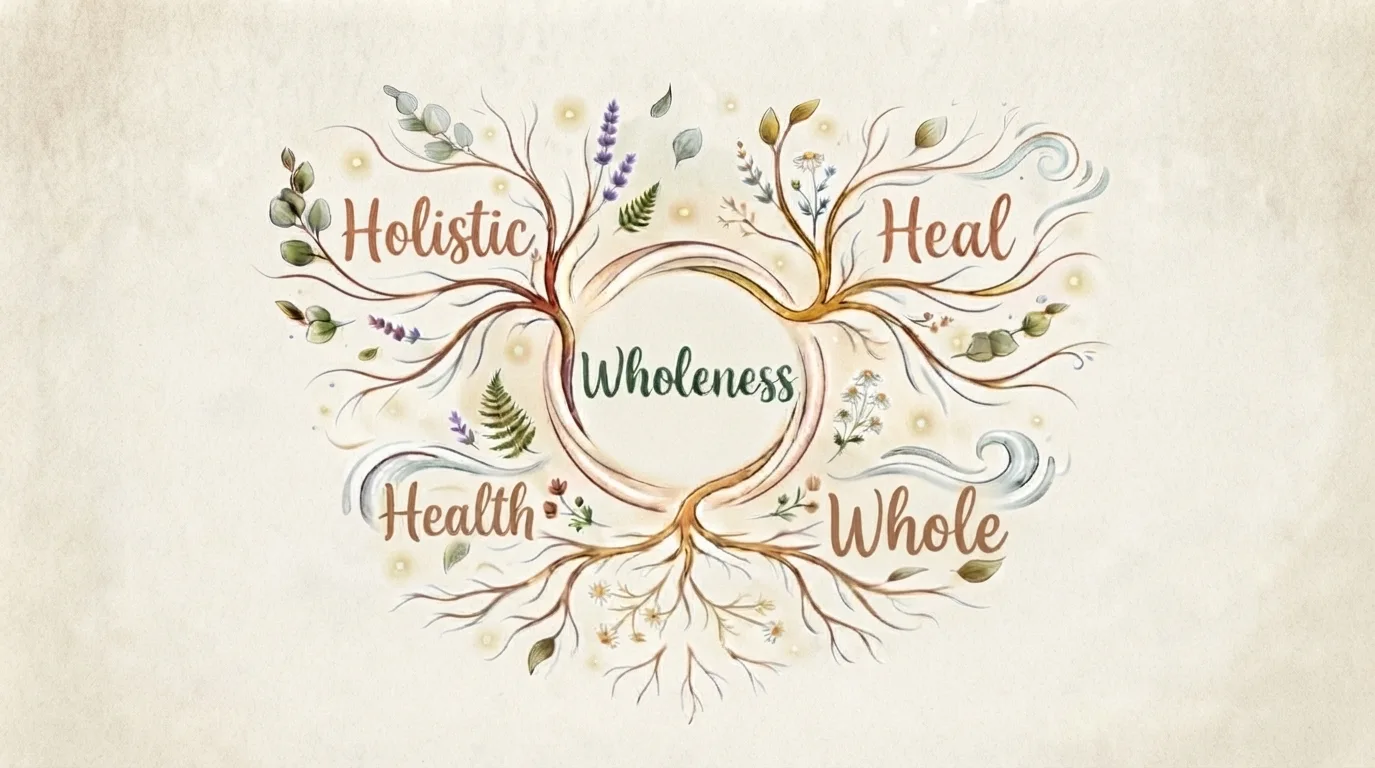
In other words, being holistic means looking at things as a whole rather than as separate parts. When it comes to health, that means not focusing only on a single physical complaint, but considering the person as a whole, including their mind, daily life, and surroundings. This is the heart of the holistic approach.
What Is Holistic Health?
Holistic health is a view of well-being that takes in every part of life: not only physical health, but also your mental state, relationships, career, environment, and more.
For example, that vague feeling of being “not quite right” may come from stress in your relationships rather than from your diet. Holistic health doesn’t treat these factors separately. It looks at the whole person and works to restore balance.
The basic practice is to look at yourself through the following ten areas:
Body · Food · Emotions · Spirituality · Career · Money · Environment · Social Life · Relationships · Learning
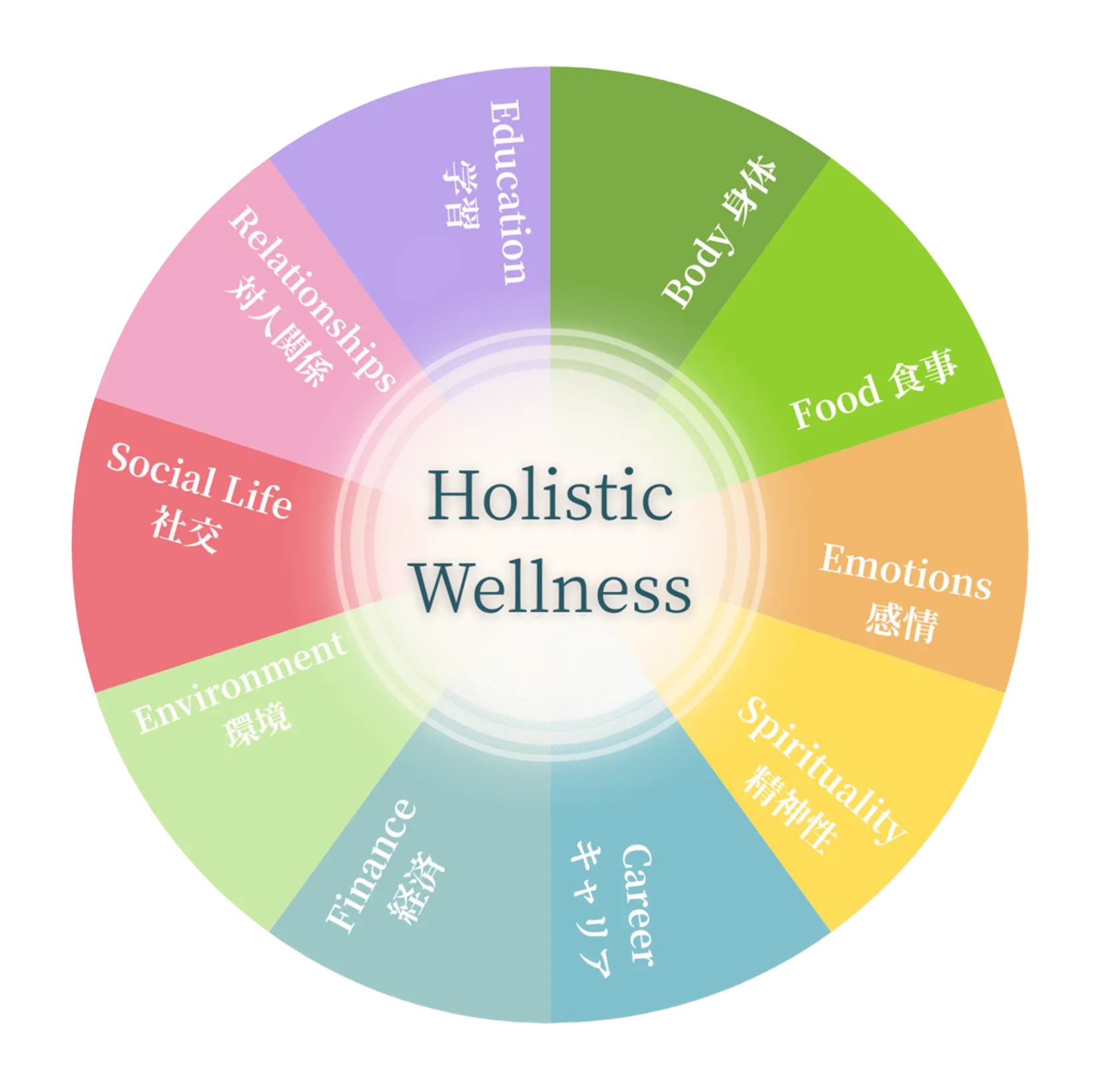
Improving just one of these won’t create balance if the others are falling apart. No matter how carefully you eat, chronic stress about money or relationships can show up as physical symptoms. Holistic health is about surveying all ten areas and finding the balance that works for you.
Why Is It Getting Attention Now?
Several social shifts are behind this trend.
More health problems can’t be solved by symptom-focused treatment alone.
Treating only the symptom whenever one appears has its limits. This is especially true of chronic fatigue and discomfort with no clear cause, the so-called “pre-symptomatic” state (known in Japan as mibyo), which is known to be hard to improve with a single treatment.
Sources of stress have become more complex.
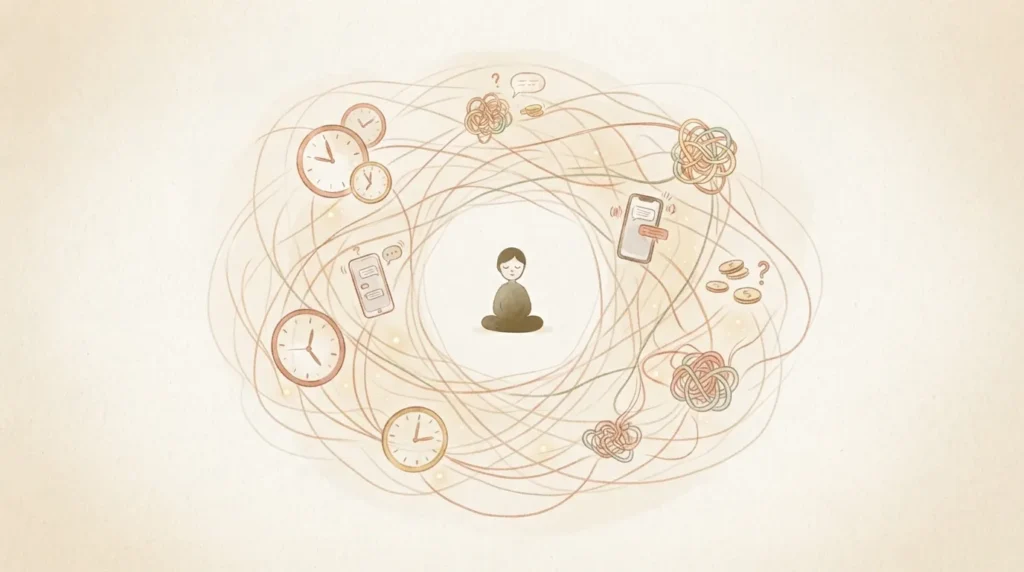
In modern life, work, relationships, money, and information overload all overlap and feed into one another. Even if you fix your diet and exercise, your symptoms will keep coming back unless these underlying burdens are addressed.
Interest in prevention and in “being yourself” is growing.
More people want to prevent problems before they start through everyday habits, rather than waiting to get sick and then treating it. And instead of one-size-fits-all health advice, more people are looking for approaches that fit their own lifestyle and values, which is another reason the holistic perspective is so popular.
Understanding of the mind-body connection is deepening.
It’s increasingly well known that psychological stress can affect the autonomic nervous system, digestion, and more. The holistic view, which doesn’t separate mind from body, fits with this growing understanding.
Against this backdrop, the holistic perspective, which looks at the “whole” rather than at individual symptoms, is drawing renewed attention.
Where Can You Learn and Practice It?
There are several ways to learn about holistic health and bring it into your own life.
Work with a health coach
Many people find it daunting to learn and practice on their own. For them, working alongside a certified health coach is the approach I recommend most. A coach looks at your whole lifestyle, including diet, sleep, stress, and relationships, and gives you personalized support based on your situation. That makes it easier to take a first step even if you don’t know where to begin. Rather than piecemeal improvements, it helps you build a foundation for your whole lifestyle and move toward the life you want. It’s a good fit if you want to put what you learn into practice in your actual daily life, not just gain knowledge.
Study systematically at a professional institution
Institutions like the Institute for Integrative Nutrition (IIN), one of the world’s best-known holistic nutrition schools, teach not only nutrition but also psychology, lifestyle, and coaching methods. This is a good fit if you want to rethink your view of health from the ground up, or if you’re interested in supporting others professionally in the future.
Teach yourself through books and online courses
A good fit if you just want to gain knowledge first and learn at your own pace.
Join a workshop or retreat
A good fit if you want to experience it in a short, concentrated period.
Small Steps You Can Take Today
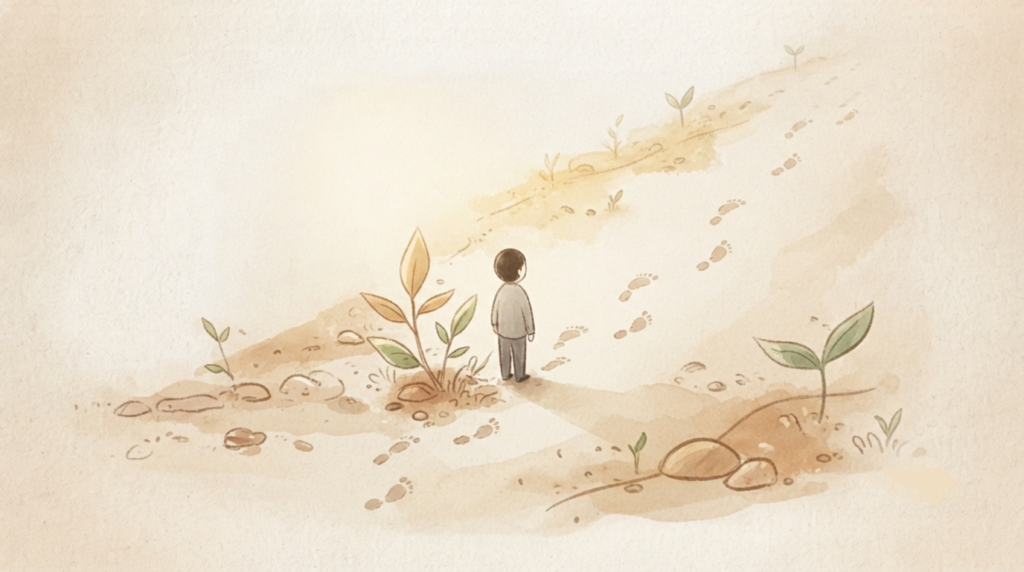
- Take three slow, deep breaths (the trick is to breathe out fully each time).
- At the end of the day, check in not only on how tired your body is, but also on how your mind feels.
- Notice when you feel tense or tight. Observe what your body is telling you.
Holistic Health for Everyone
Holistic health isn’t just for a select few. It’s a way of thinking that can prompt anyone to start seeing themselves as a whole.
I studied holistic health at IIN myself, and I now offer health coaching tailored to each person’s lifestyle. I also share holistic living tips and my daily practice on Instagram, so please stop by if you’re interested.
Written by NATSUKO OKU

NATSUKO OKU
- Certified Health Coach — IIN (Institute of Integrative Nutrition), USA
- Nutrition & Food Education Consultant (JAFA Certified)
- Psychological Counseling Specialist (JAFA Certified)
- Lived in 4 countries: Japan, Singapore, USA, and New Zealand